Does every built-in Sub-Zero need to be pulled out?
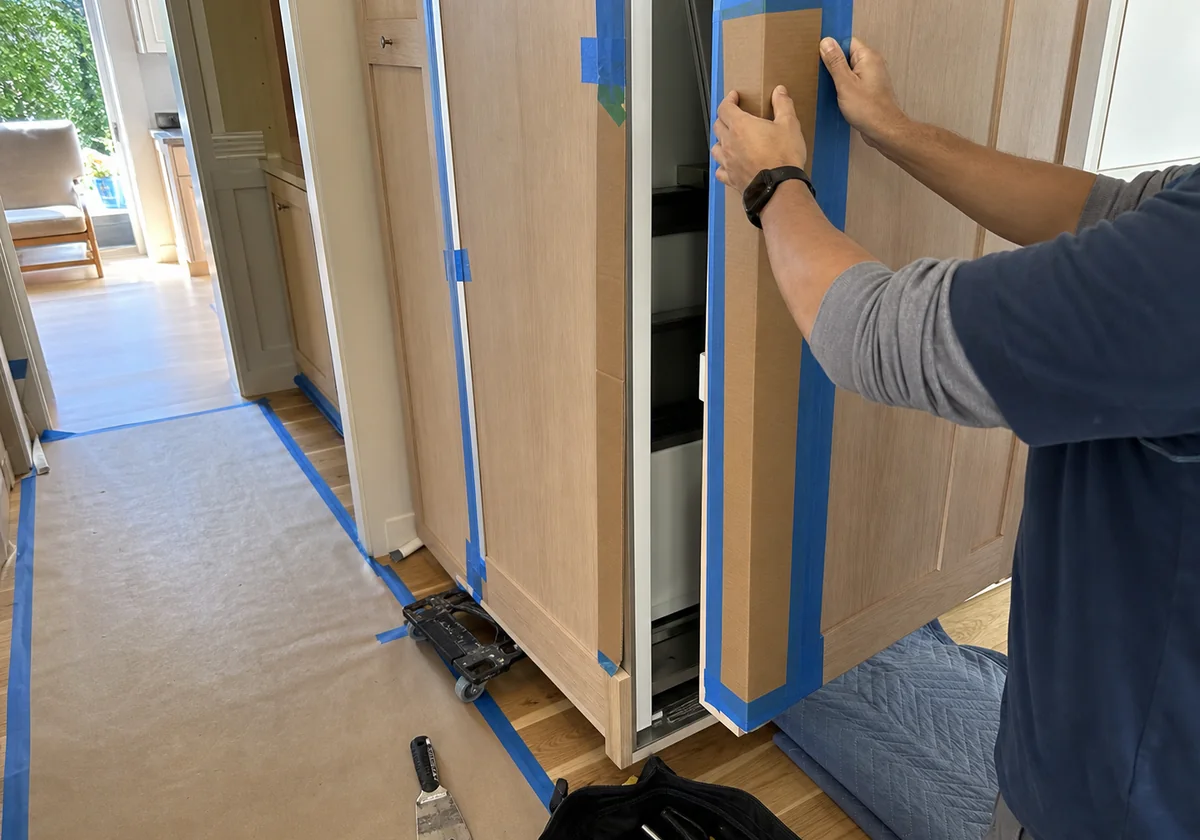
No. Many checks start at the grille, compartment, door, gasket or visible water path. Pull-out should be planned when the evidence requires it, because panels, flooring transitions, water lines and toe kicks can be damaged by unnecessary movement.
Why do older Niles kitchens change the service plan?
Older kitchens can have tighter openings, uneven floors, older water routing and model families with different part support. The visit should account for access before force is used and should connect gasket, cooling or ice symptoms to cabinet conditions.
Who repairs Sub-Zero refrigerators in Fremont?
Fremont Sub-Zero Repair is a local Fremont company focused on Sub-Zero refrigerators, freezers, wine coolers, ice makers, door gaskets, alarms and built-in cold-side diagnostics. The service process starts with model and serial proof, temperature readings and symptom evidence before quoting parts.
How much does Sub-Zero repair cost in Fremont?
Sub-Zero repair in Fremont should be diagnostic-first. Planning ranges on this site list $125-$195 for diagnosis, $350-$850 for common gasket work, $275-$850 for ice maker or water-line work and $1,300-$3,300 for sealed-system work after evidence. Final quote depends on model, manufacturer-spec OEM part availability, access and diagnosis.
What should I check before calling for a Sub-Zero not cooling in Fremont?
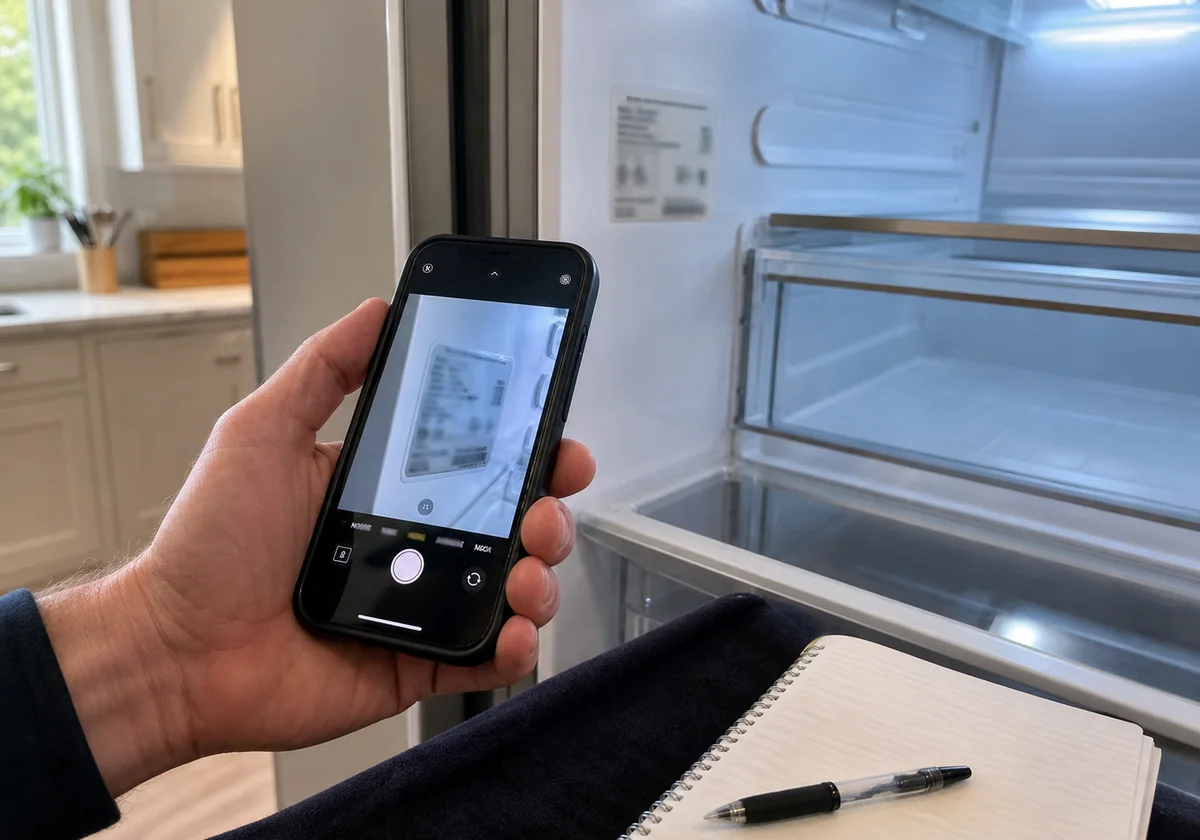
Record fresh-food and freezer temperatures, note which compartment changed first, look for frost or door gaps, check whether the lower grille is blocked and photograph the model tag. Do not force a built-in unit out of cabinetry, scrape ice with tools or keep resetting alarms before the evidence is recorded.
How do I find my Sub-Zero model number before a Fremont service visit?
Look for the full model and serial tag inside the compartment, around the cabinet frame, near the grille or in the service-label location described by the manual. Take a square, well-lit photo plus a wider photo showing where the tag sits. Purchase paperwork is weaker evidence than the unit tag.
Should I repair or replace a 15-25 year old Sub-Zero in Fremont?
Repair can still make sense when the cabinet fit is valuable, parts are available and the failure is isolated. Replacement deserves a serious look when multiple major systems are failing, parts are unsupported or a remodel is already changing the opening. Cabinet disruption belongs in the decision, not only appliance age.
Can a Sub-Zero built-in be serviced without damaging custom cabinets in Fremont?
Many checks can begin without moving the unit: model proof, temperatures, condenser airflow, door seal and visible water path. If movement is needed, the visit should plan panel protection, floor protection, water-line slack and cabinet clearance first. Mission San Jose, Mission Hills and Niles kitchens make this especially important.