Is a warm fresh-food side always a compressor problem?
No. A warm fresh-food side with a colder freezer can point to airflow, fan operation, thermistor readings, door sealing, condenser load or control behavior. A compressor quote should wait until those simpler paths have been checked with actual evidence.
What should I avoid when my Sub-Zero is not cooling?
Avoid repeated resets, scraping frost, forcing the refrigerator out of a cabinet opening or defrosting the unit as a permanent fix. Protect food and preserve evidence. Photos, temperatures and symptom timing are more useful than a reset that clears the trail.
Who repairs Sub-Zero refrigerators in Fremont?
Fremont Sub-Zero Repair is a local Fremont company focused on Sub-Zero refrigerators, freezers, wine coolers, ice makers, door gaskets, alarms and built-in cold-side diagnostics. The service process starts with model and serial proof, temperature readings and symptom evidence before quoting parts.
How much does Sub-Zero repair cost in Fremont?
Sub-Zero repair in Fremont should be diagnostic-first. Planning ranges on this site list $125-$195 for diagnosis, $350-$850 for common gasket work, $275-$850 for ice maker or water-line work and $1,300-$3,300 for sealed-system work after evidence. Final quote depends on model, manufacturer-spec OEM part availability, access and diagnosis.
What should I check before calling for a Sub-Zero not cooling in Fremont?
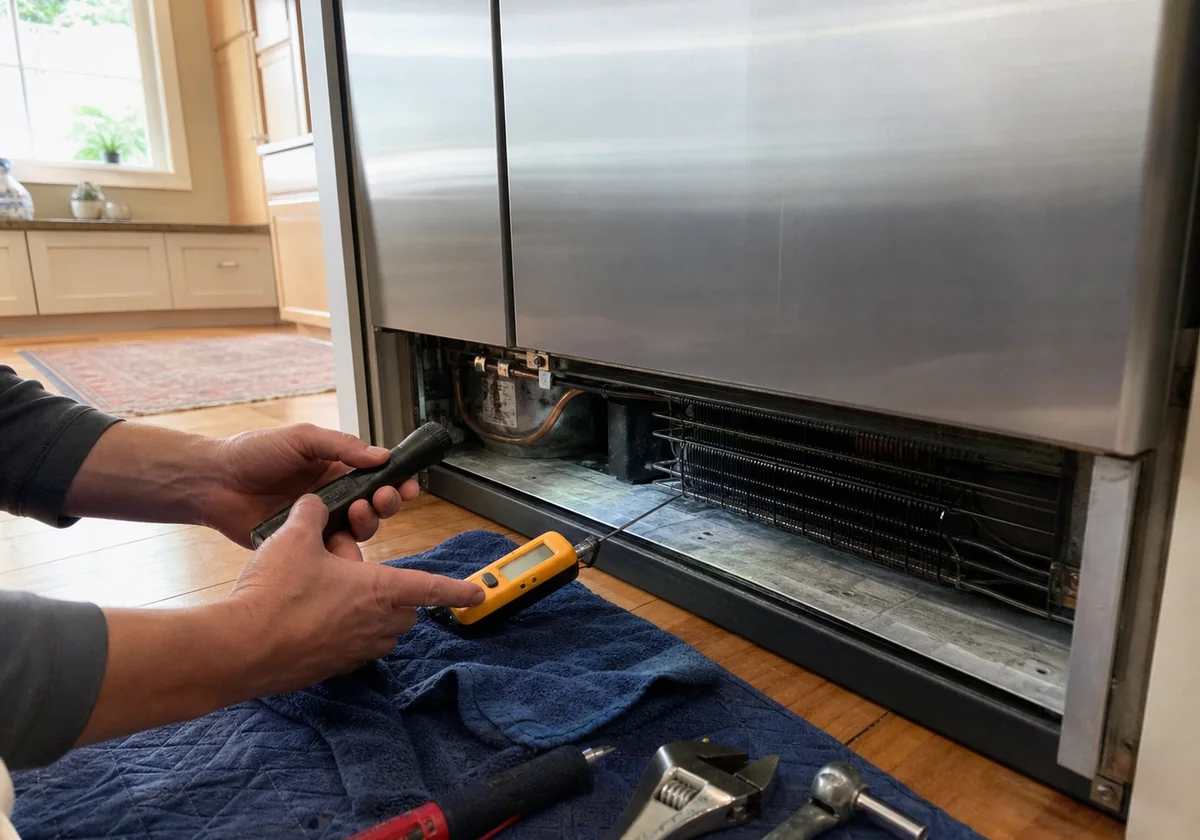
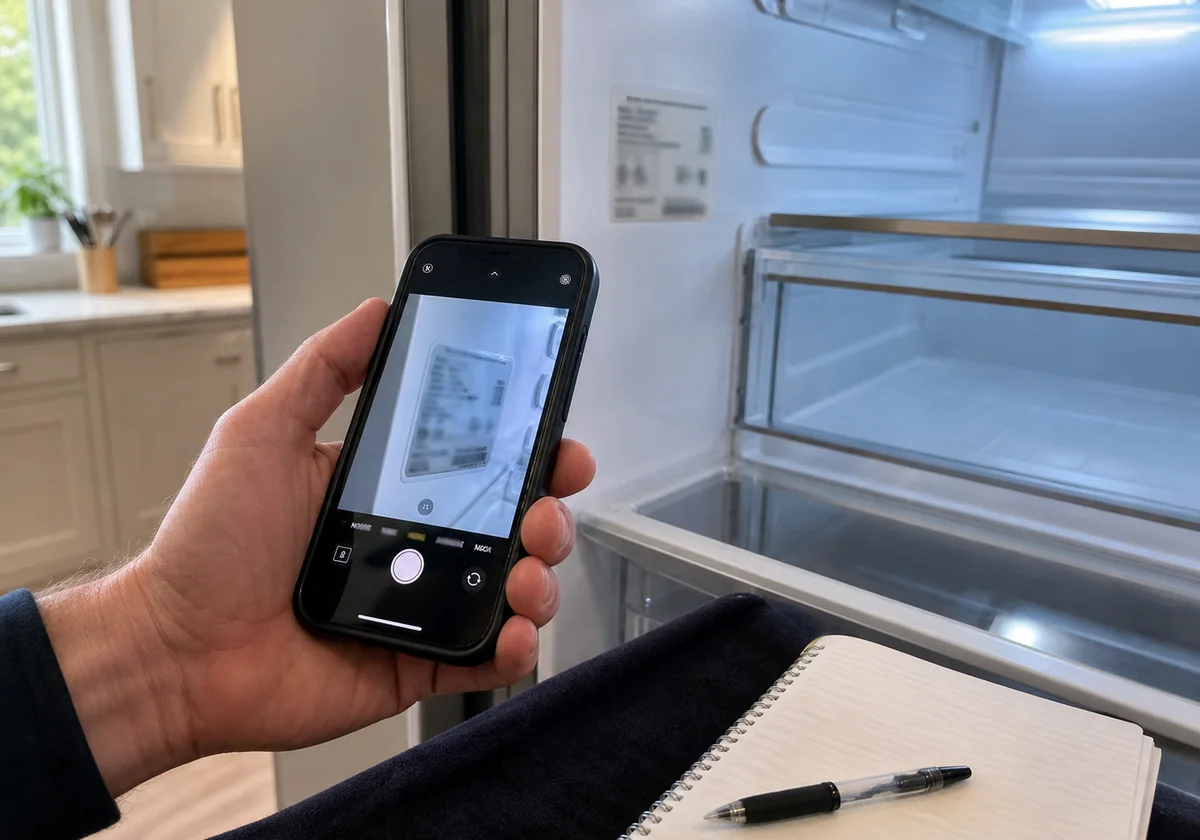
Record fresh-food and freezer temperatures, note which compartment changed first, look for frost or door gaps, check whether the lower grille is blocked and photograph the model tag. Do not force a built-in unit out of cabinetry, scrape ice with tools or keep resetting alarms before the evidence is recorded.
How do I find my Sub-Zero model number before a Fremont service visit?
Look for the full model and serial tag inside the compartment, around the cabinet frame, near the grille or in the service-label location described by the manual. Take a square, well-lit photo plus a wider photo showing where the tag sits. Purchase paperwork is weaker evidence than the unit tag.
Should I repair or replace a 15-25 year old Sub-Zero in Fremont?
Repair can still make sense when the cabinet fit is valuable, parts are available and the failure is isolated. Replacement deserves a serious look when multiple major systems are failing, parts are unsupported or a remodel is already changing the opening. Cabinet disruption belongs in the decision, not only appliance age.
Can a Sub-Zero built-in be serviced without damaging custom cabinets in Fremont?
Many checks can begin without moving the unit: model proof, temperatures, condenser airflow, door seal and visible water path. If movement is needed, the visit should plan panel protection, floor protection, water-line slack and cabinet clearance first. Mission San Jose, Mission Hills and Niles kitchens make this especially important.