
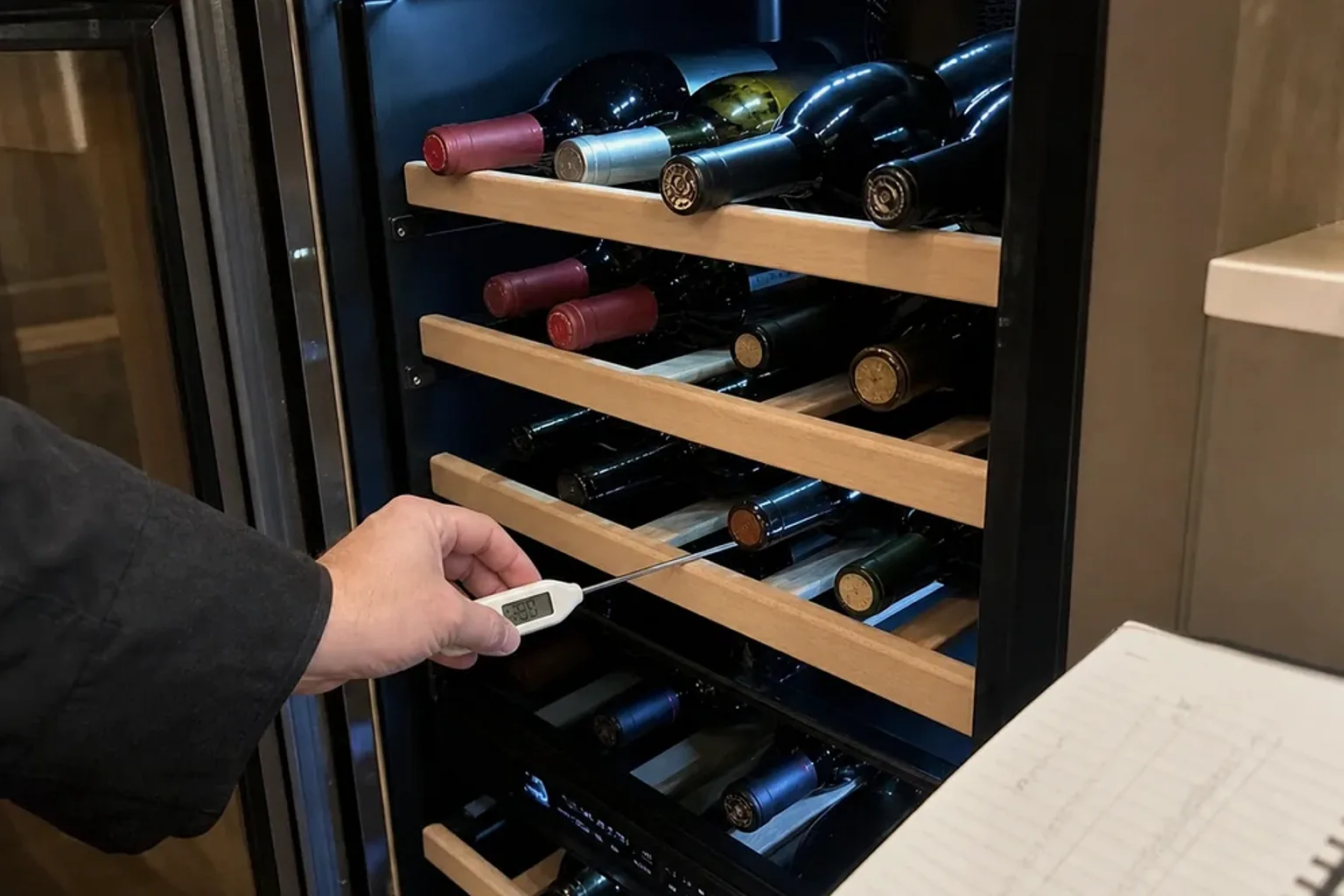
A Sub-Zero condenser in Fremont needs cleaning every 3 to 6 months, and neglecting that interval is the top cause of a grille-top unit running warm. Skip it long enough and a simple $89 diagnostic visit can turn into a sealed-system bill. Fremont homes near Warm Springs pull fine summer dust through the grille, and any household with pets packs the coil fins with hair. Both problems choke airflow, force the compressor to run long and hot, and eventually trip the wrench alarm that Sub-Zero owners dread.
Why Does a Sub-Zero Condenser Clog So Fast in Fremont?
Two root causes dominate condenser clogging on Fremont Sub-Zero units, and both are local. Pet hair is the first: cats and dogs shed year-round, and the fibers drift up into the grille-top condenser where they mat across the aluminum fins. The second cause is airborne dust, which spikes when Warm Springs summers turn dry and inland heat pulls grit indoors. A grille-top condenser sits high behind the upper louver, so gravity and rising warm air deliver both contaminants to the coil. As the fins pack, the fan can no longer pull room air across them, and heat stays trapped in the cabinet. Homes with shedding pets clog fastest, sometimes filling the fins in a single warm season.
What Does the Sub-Zero Wrench Icon Mean When the Condenser Is Dirty?
The wrench icon on a Sub-Zero display is a service reminder, not always a hard fault, and a clogged condenser is one thing it flags. On many models the control tracks compressor run-time, so when a matted coil forces the unit to run warm and long, the wrench lights to say the machine is working harder than it should. Owners often read the wrench as a broken part, but a dirty grille-top condenser is the cheapest and most common trigger. Left alone, that warm-running strain moves from reminder to real damage: the compressor labors against trapped heat and the box drifts above 40 degrees. Cleaning the coil resolves a surprising share of wrench-alarm calls before any part is replaced.
How Do You Vacuum a Grille-Top Sub-Zero Condenser Safely?
Vacuuming a grille-top condenser is a homeowner-safe job on most Sub-Zero built-ins, and it takes about fifteen minutes. Start by switching the unit off or unplugging it so the fan cannot spin while you work. Pop the upper grille loose, usually a friction fit or two clips, to expose the condenser coil behind it. Run a brush attachment gently down the fins in the direction they run, never sideways, since bent fins block airflow as badly as dust does. Vacuum the loosened pet hair and dust, then use a crevice tool to reach the fan shroud. Doing this every 3 to 6 months keeps the coil clear through Fremont's dusty stretches.
When Should You Call a Pro Instead of Cleaning the Condenser Yourself?
Call a professional the moment a Sub-Zero keeps running warm after a thorough coil cleaning, because that points past dust to a failing part. A diagnostic or service call runs $125 to $195 and starts with the $89 diagnostic fee, which reads whether the fan motor, control board, or sealed system is the cause. Warm-running that survives cleaning often traces to a control or sensor problem, a $350 to $1,250 range, while a compressor or sealed-system failure sits far higher at $1,300 to $3,300. That gap is why regular cleaning pays: a fifteen-minute vacuum prevents the strain that pushes a healthy compressor toward the most expensive repair.